-
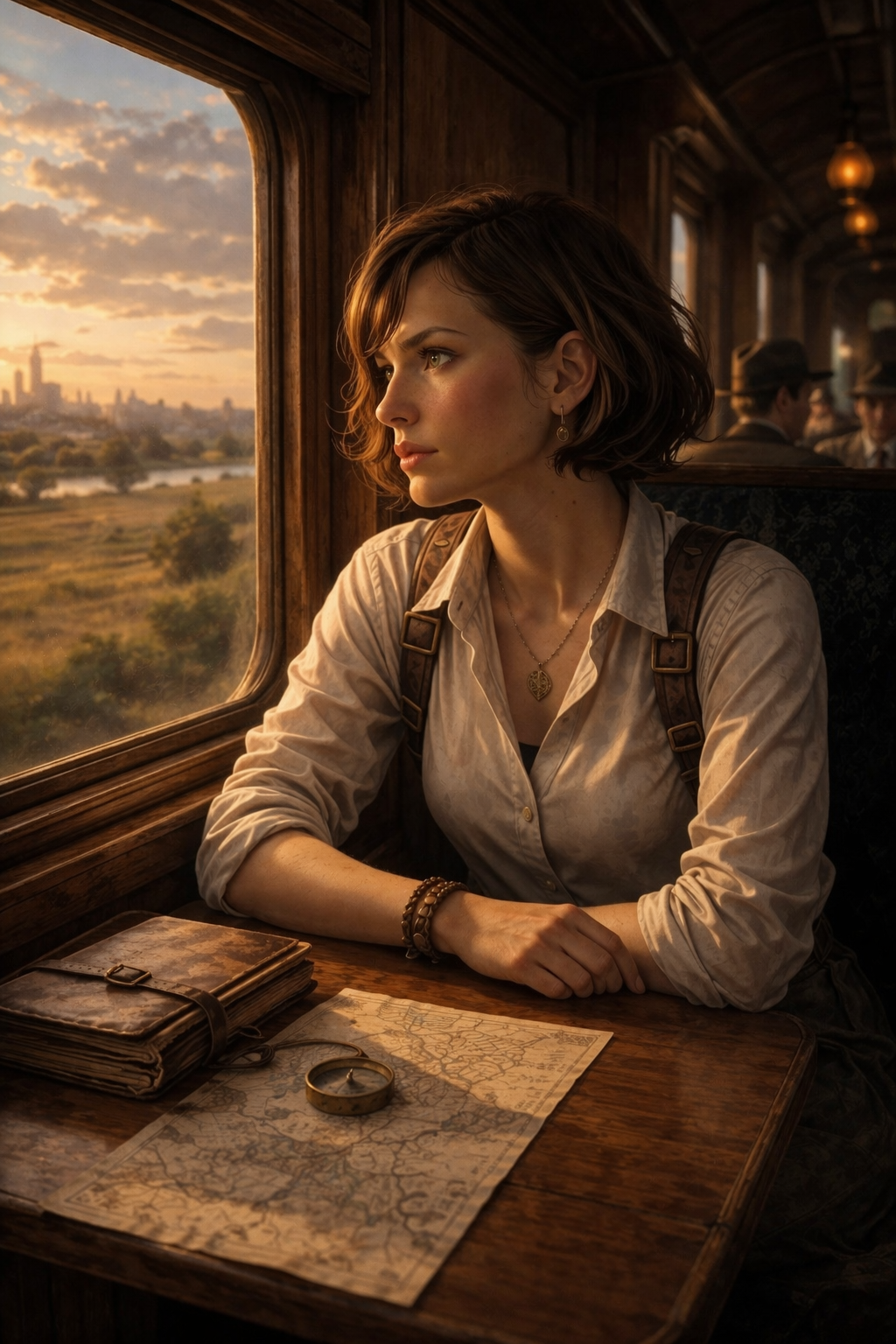
Cleo’s Field Notes Entry by stephanie Mueller The platform was buzzing with activity. People calling out last words, hands waving through open windows. A couple stood a few feet from the car, holding onto each other like they would never see each other again. He said something I couldn’t hear. She laughed, then kissed him…
-

Not every story is meant to be read from beginning to end. Cloe’s Field Notes are not traditional stories. They are entries drawn from her journal—moments recorded as they happened, without being shaped into full narratives. There is no clear starting point or final resolution waiting at the end. That’s intentional. Each entry stands on…
-

Some stories don’t arrive with a beginning, middle, and end. They show up in moments—half-finished conversations, decisions made too quickly, places you pass through and never return to. You don’t always get the full picture while you’re living them. You just know something mattered. Cloe’s Field Notes started there. I didn’t set out to write…
-

Mama was halfway through her second song when the man at the back of the room stood up. There was something about him that didn’t sit right. I had never seen him before, and I spent enough time in places like this to know when someone didn’t belong. By the time the gun came out,…
-

The Maverick Chronicles by Stephanie Mueller Most kids don’t step into something new expecting it to be difficult. A birthday party feels like fun. A practice feels routine. A trip feels simple. It’s something they’ve done before or something they think they understand. But sometimes those moments change. A game doesn’t go the way they…
-

Setting isn’t decoration—it’s the architecture beneath your story. These five pillars shape orientation, plot, character, theme, and world logic. Strengthen them, and every scene gains clarity, weight, and emotional impact.
-

Setting isn’t wallpaper — it’s the engine quietly powering your story. From character growth to plot momentum to emotional tone, your world does far more work than most writers realize. Here’s how to use setting with intention and unlock deeper storytelling.
-
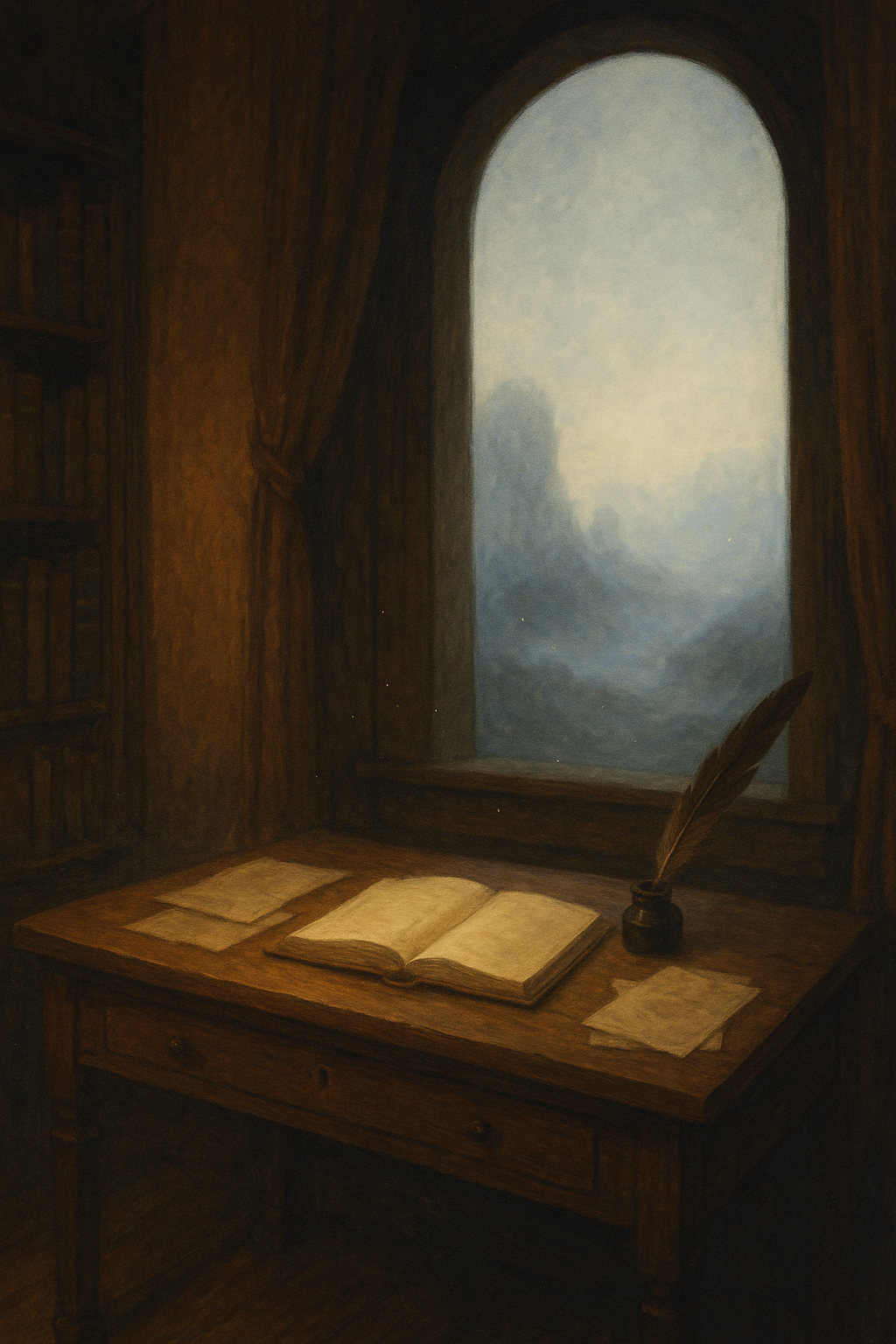
Writers don’t mean to ignore setting—it simply slips to the bottom of the craft pile. But when a story feels thin, flat, or strangely weightless, weak setting is often the real reason. This article explores why setting gets overlooked and why bringing it forward strengthens everything else.
-
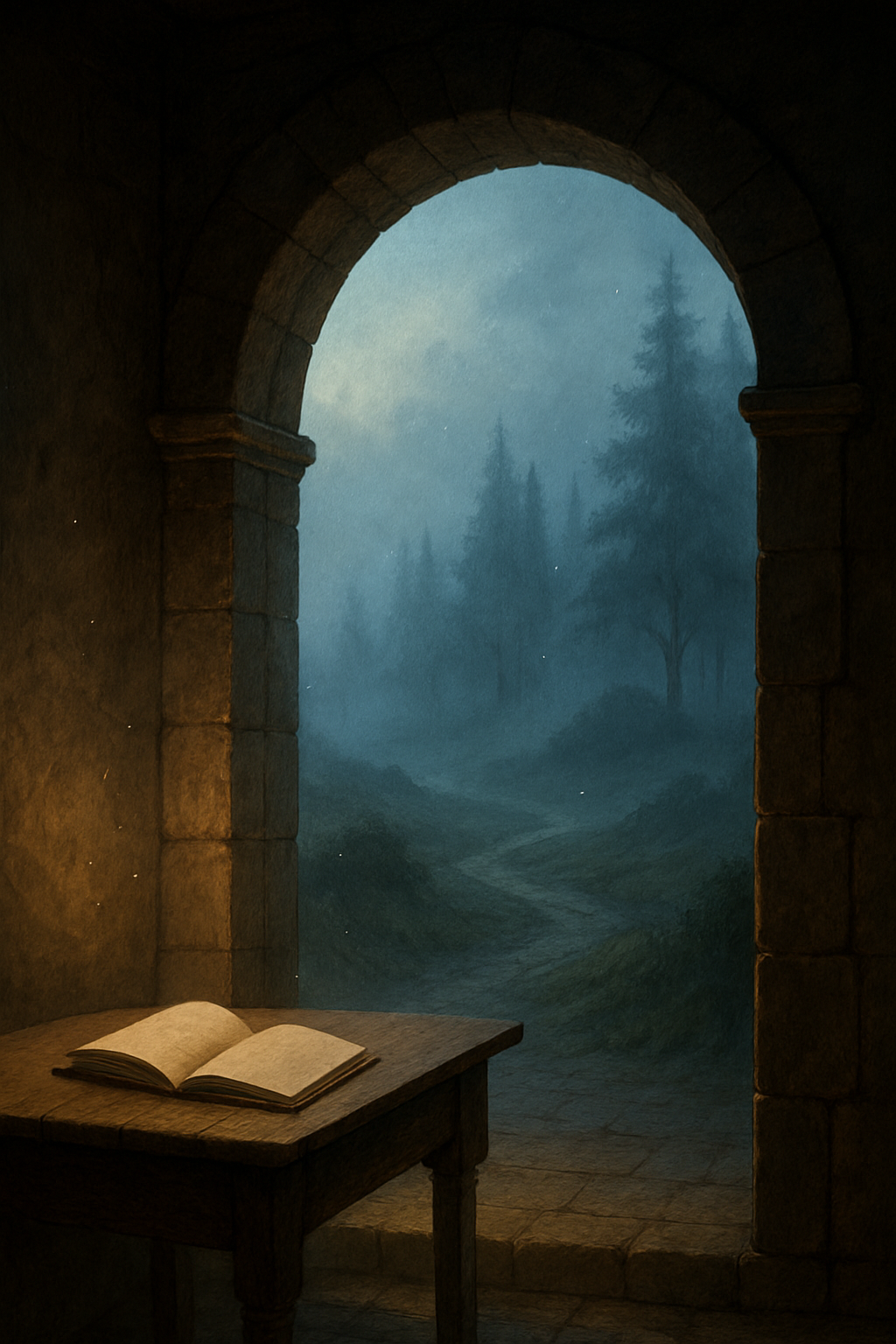
When scenes fall flat, we rush to fix the dialogue or pacing—but weak setting is often the quiet culprit behind the mess. If the world beneath a scene isn’t doing its job, everything else starts to wobble. This article shows how to spot the hidden problems caused by thin or vague setting—and how to strengthen…
-

Setting isn’t scenery—it’s the engine. If your scenes feel thin or wobbly, the world beneath them may not be doing its job. This article shows how to fix that.